Information
 |
By top winemaker Bertrand Sourdais |
|
From biodynamically grown Cabernet Franc |
|
The sublime synthesis of tradition and modernism in the Loire |
Description
“Bertrand Sourdais crafts magnificent expressions of Cabernet Franc at his family's estate in Chinon. The Pensées de Pallus will give readers a very good idea of what to expect and also happens to be a steal.” - Antonio Galloni, Vinous, October 2020
Bertrand Sourdais may have made his mark as a young winemaker in Spain, but his love for his native Chinon and his signature grape, Cabernet Franc, has never waned. Besides his Antídoto wine estate in Ribera del Duero, he has also run his parental Loire Valley estate, Domaine de Pallus in Cravant-les-Coteaux, since 2003, where he represents the fifth generation.
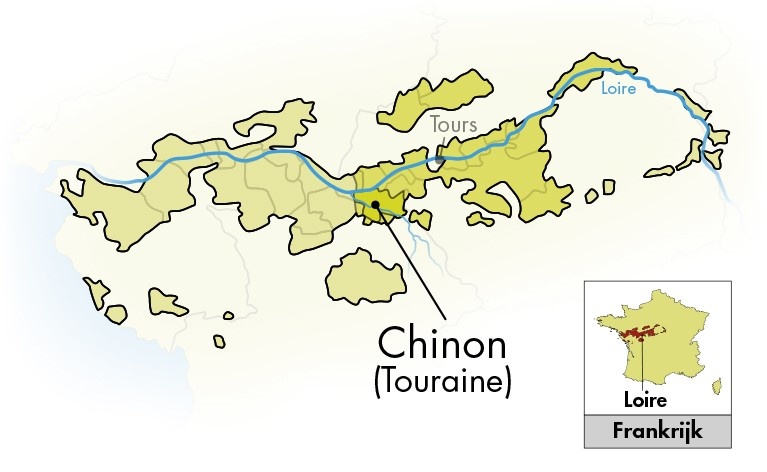
What makes Bertrand's Chinons so excellent is the way he takes a unique approach to winemaking, without compromising his respect for tradition and terroir. This terroir is Bertrand's second key to success. His vineyards in Cravant-les-Coteaux are not located on the plains, but in the hills. This places them among the golden slopes of Chinon.
Like many winemakers in Chinon, Bertrand places great emphasis on vineyard work and cultivates his grapes biodynamically. Unlike many other producers, he employs relatively long skin maceration in the cellar and ages his wines longer. This creates more structure and aging potential.
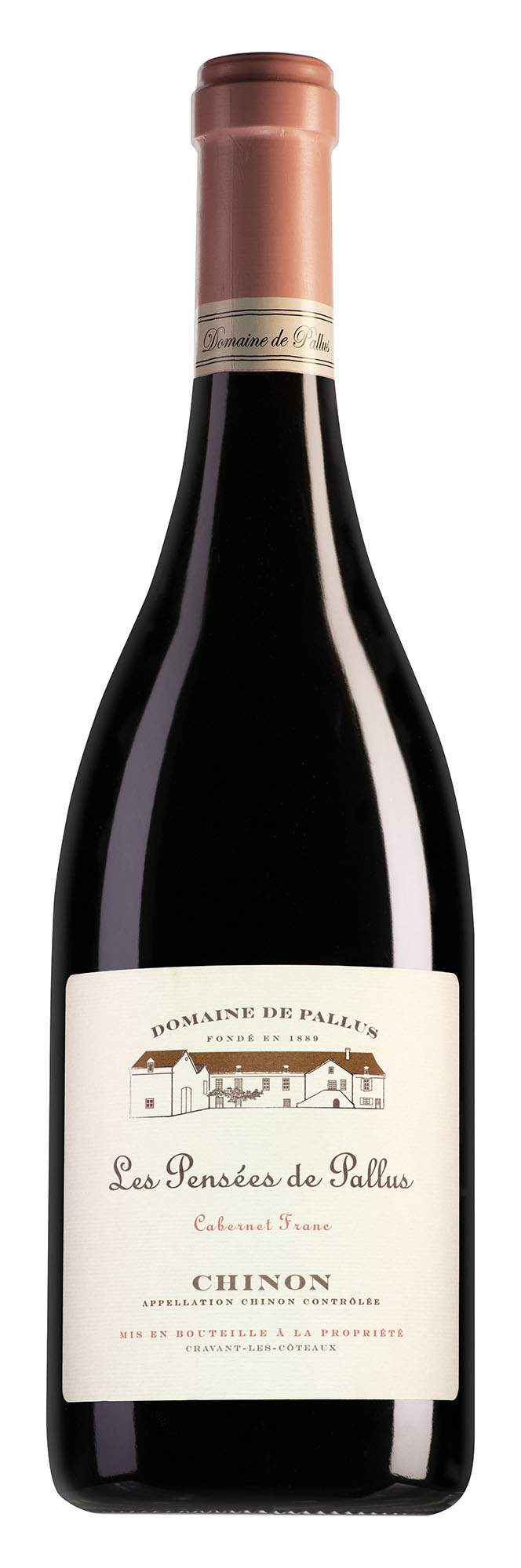
Bertrand harvests the Cabernet Franc for his premier cru, Les Pensées de Pallus, from some of his best vines in the hills of Cravant-les-Coteaux, in a plot adjacent to the estate. The soil there consists of sand and chalky rock (tuffeau). This blend produces both aromatics and finesse, as well as firmer tannins.
After the harvest, he ferments the grapes in concrete vats using natural yeasts. The wine then matures for a year in Burgundy barrels and another six months in concrete vats.
This makes Les Pensées an unmistakable and classic Chinon, distinguished by remarkable precision and depth—the unique signature of Sourdais. Enjoy this magnificent Loire Valley between five and fifteen years after the harvest, for example, with poultry, white meat, or creamy mushrooms.